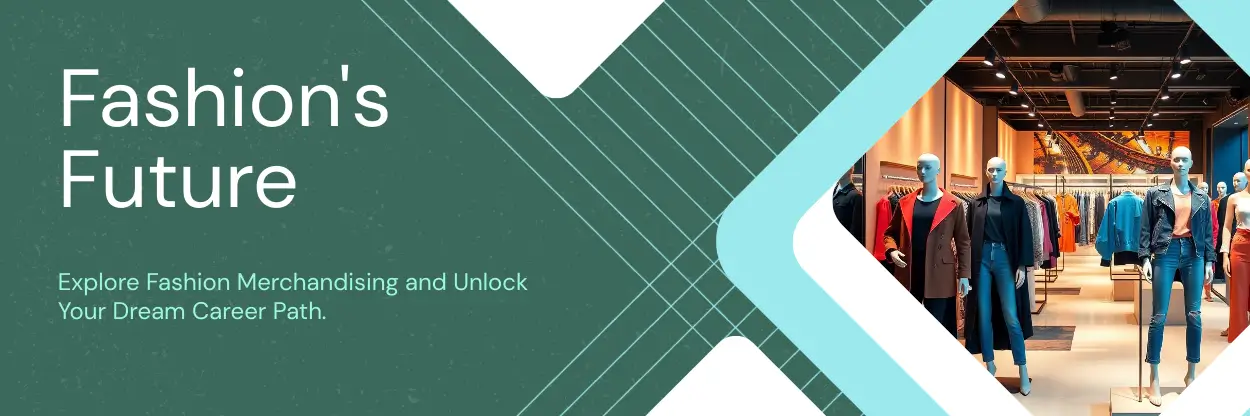
Every outfit you see on a store rack or a brand's website went through a long journey before it reached you. Someone figured out which styles to produce, how many units to order, what price to set, and how to display them so customers would want to buy. That person is a fashion merchandiser, and their role sits right at the intersection of creativity and commerce.
Fashion merchandising is one of the most career-rich areas in the fashion industry. Yet many students overlook it because they are not sure what it actually involves. This article breaks it down clearly: what the field is, what you study, and what career doors it opens.
What is Fashion Merchandising?
Fashion merchandising is the process of planning, buying, and selling fashion products in a way that maximizes profitability while meeting customer demand. It covers the entire commercial journey of a garment: from when it is developed as a product idea, through sampling and costing, all the way to when it lands in a store or on an e-commerce platform.
At its core, fashion merchandising answers three practical questions:
- What products should be made or bought?
- How many units are needed, and at what price?
- Where and how should they be presented to the customer?
Merchandisers work closely with designers, production teams, buyers, and retail managers. They are the link that keeps the creative side and the business side of fashion moving in sync.
Fashion Merchandising vs Fashion Design: What's the Difference?
A lot of students confuse the two. Here is a simple way to think about it.
Fashion designers focus on creating garments: sketching, selecting fabrics, and developing the look and feel of a collection. Fashion merchandisers focus on making sure those garments are produced correctly, priced right, and sold effectively.
Both roles are essential. A stunning collection that is badly priced, poorly timed, or unavailable in the right market is a commercial failure. Merchandisers prevent that from happening.
If you love fashion but are more drawn to the business, planning, and strategy side of things, merchandising is likely a better fit than design.
What Does a Fashion Merchandiser Do?
The day-to-day work of a fashion merchandiser is quite varied. Here are some of the core responsibilities:
- Trend analysis: Studying upcoming trends and translating them into buying or production decisions
- Product development support: Working with designers and vendors to develop styles that are commercially viable
- Sampling and approvals: Coordinating sample development and checking whether samples meet specifications
- Costing and sourcing: Calculating production costs and working with suppliers to keep them within budget
- Tech pack management: Preparing or reviewing tech packs (detailed specification documents for garment production)
- Inventory planning: Forecasting demand and managing stock levels
- Retail coordination: Deciding how products are displayed and distributed across stores or channels
- Post-shipment analysis: Reviewing what sold, what did not, and why, to improve future decisions
The role requires both analytical thinking and an eye for what customers want.
What Do You Learn in a Fashion Merchandising Course?
A well-structured fashion merchandising course covers both the creative and technical sides of the profession. Here is what a solid curriculum typically includes:
Foundational knowledge
- Introduction to fashion merchandising and its role in the industry
- How production merchandising works
- Communication skills for working with vendors, designers, and buyers
Product and production
- Product development from concept to final garment
- Sampling processes and how to evaluate samples
- Understanding tech packs and how to read or create them
- Fabric consumption and how to calculate it accurately
Business and operations
- Costing: understanding how garment prices are structured
- Sourcing: finding the right manufacturers and vendors
- Time and action planning: managing production timelines
- Pre-production meetings and what they involve
- Post-shipment analysis to measure outcomes
Applied learning
- Portfolio development through real project work
This kind of curriculum gives students practical skills they can apply from day one of their career.
At institutions like Wisdom Design College (WCCD), the Certificate in Fashion Merchandising is a 3-month program that covers all of the above through hands-on learning. WCCD has campuses across Ghaziabad, Lucknow, Kolkata, and Chennai, and the institute is ISO 9001:2015 certified with affiliations to NSDC, NCVET, and Skill India. Students also get 100% placement assistance, which makes the transition from course to career more structured.
Career Options After a Fashion Merchandising Course
This is where things get genuinely exciting. Fashion merchandising opens up a wide range of roles across retail, production, buying, and e-commerce. Here are the most common career paths:
Fashion Merchandiser
This is the most direct career path. A fashion merchandiser plans the product range for a brand or retail chain, works with production teams and suppliers, monitors inventory, and ensures that the right products are available at the right time.
They are employed by apparel brands, retail chains, export houses, and fashion e-commerce companies.
Fashion Buyer
Fashion buyers are responsible for deciding what a brand or store will stock each season. They travel to trade shows, negotiate with suppliers, and make purchasing decisions based on trends, sales data, and customer preferences.
This is a high-pressure role, but also one of the most rewarding in the industry. Buyers work closely with merchandisers and designers.
Visual Merchandiser
Visual merchandisers handle the in-store presentation of products. They decide how garments are displayed, how windows are styled, and how the layout of a store is arranged to encourage purchases.
The role blends aesthetics with psychology. A well-designed retail space directly affects how much customers buy.
Fashion Analyst
Fashion analysts track sales performance, consumer behavior, and market trends. They use data to advise brands on what to produce, what to stop making, and where the market is heading.
This role suits people who enjoy working with numbers and research alongside fashion knowledge.
Sampling Coordinator
Sampling coordinators manage the sample development process between the design team and production vendors. They ensure samples are accurate, delivered on time, and approved before bulk production begins.
It is a detail-oriented role that sits at a critical stage of the production process.
Design Curator
Design curators work with brands or retailers to select and present fashion collections in a way that tells a coherent story. They may work for multi-brand stores, fashion exhibitions, or online platforms.
This role rewards people who have both merchandising knowledge and a strong sense of aesthetics.
Retail Operations Manager
With experience, fashion merchandising graduates often move into retail management. Retail operations managers oversee store performance, staff, inventory, and customer experience across one or multiple locations.
This is a leadership role that draws directly on the planning and commercial skills built during a merchandising course.
Export and Garment Industry Roles
India has a massive garment export sector. Fashion merchandisers are in high demand in export houses, working as liaison between international buyers and domestic manufacturers. Roles here include production merchandiser, export coordinator, and quality follow-up executive.
Is a Fashion Merchandising Course Right for You?
Fashion merchandising suits students who:
- Are interested in fashion but want a business or planning-focused role
- Like working with data, timelines, and budgets
- Enjoy coordinating between different teams
- Want to work in retail, production, buying, or e-commerce
- Are looking for a career with clear growth paths and consistent industry demand
The course is open to students who have completed 10+2 in any stream. You do not need a fashion design background to get started.
Where to Study Fashion Merchandising in India?
Choosing the right institute matters because this field is largely skills-based. Look for programs that include hands-on projects, industry-relevant curriculum, and placement support.
Wisdom Design College (WCCD) offers a Certificate in Fashion Merchandising that is designed for exactly this purpose. The curriculum covers everything from product development and tech packs to costing, sourcing, and post-shipment analysis, and it concludes with portfolio development. The course runs for 3 months and is available both offline and online.
WCCD is a recognized institute with campuses in Ghaziabad, Lucknow, Kolkata, and Chennai, making it accessible for students in different parts of the country. Its affiliations with Skill India, NSDC, and NCVET, along with ISO certification, reflect a commitment to quality training.
Your future in fashion starts here. Browse our programs at wisdomdesigncollege.in or give us a call at +91-9889363919 to plan your visit and get your questions answered.
Conclusion
Fashion merchandising is a career path that combines creativity with sharp commercial thinking. It is not as visible as fashion design, but it is just as essential. Without skilled merchandisers, even the best-designed collections fail to reach customers at the right time and price.
The career options are broad and growing, whether in retail, production, buying, export, or digital fashion. And with the right training, the transition from course to career can happen quickly.
If fashion is your world and business is your strength, fashion merchandising might be exactly where you belong.